December 23, 2025
Painting the interiors of your home can dramatically enhance its aesthetic appeal and value. However, to ensure a successful project, careful planning and knowledge of interior painting essentials are crucial. This article outlines several key factors to consider before embarking on an interior painting project, ensuring a smooth, efficient, and satisfactory result. From choosing the right paint to mastering techniques and ensuring safety, every step is crucial to achieving a polished finish. Let’s delve into the essential points to keep in mind for a successful interior painting project.
1. Choosing the Right Paint
1.1 Understanding Paint Types
Choosing the right type of paint is crucial for the end result. Latex paint is water-based, offering ease of cleanup and durability, making it a popular choice for most projects. On the other hand, oil-based paints provide a smoother finish and are ideal for areas subjected to heavy contact, though they take longer to dry. It's important to consider the specific requirements of your project when selecting paint. Additionally, according to HomeGuide, understanding the factors such as the size of the space and the recommended amount of paint can prevent over-purchasing or underestimating your needs, with an average bedroom often requiring 2 to 3 gallons of paint.
1.2 Selecting the Right Finish
The paint finish significantly impacts the final look and functionality of a room. Matte finishes are adept at hiding imperfections but may not withstand frequent cleaning. Satin and eggshell finishes strike a balance, providing some sheen and durability, suitable for most living spaces. Gloss finishes, while tricky to apply, offer a high sheen and are perfect for areas that require regular cleaning. When planning your project, it's critical to align the type of finish with the function of the room to enhance both aesthetics and usability.
1.3 Color Selection Strategies
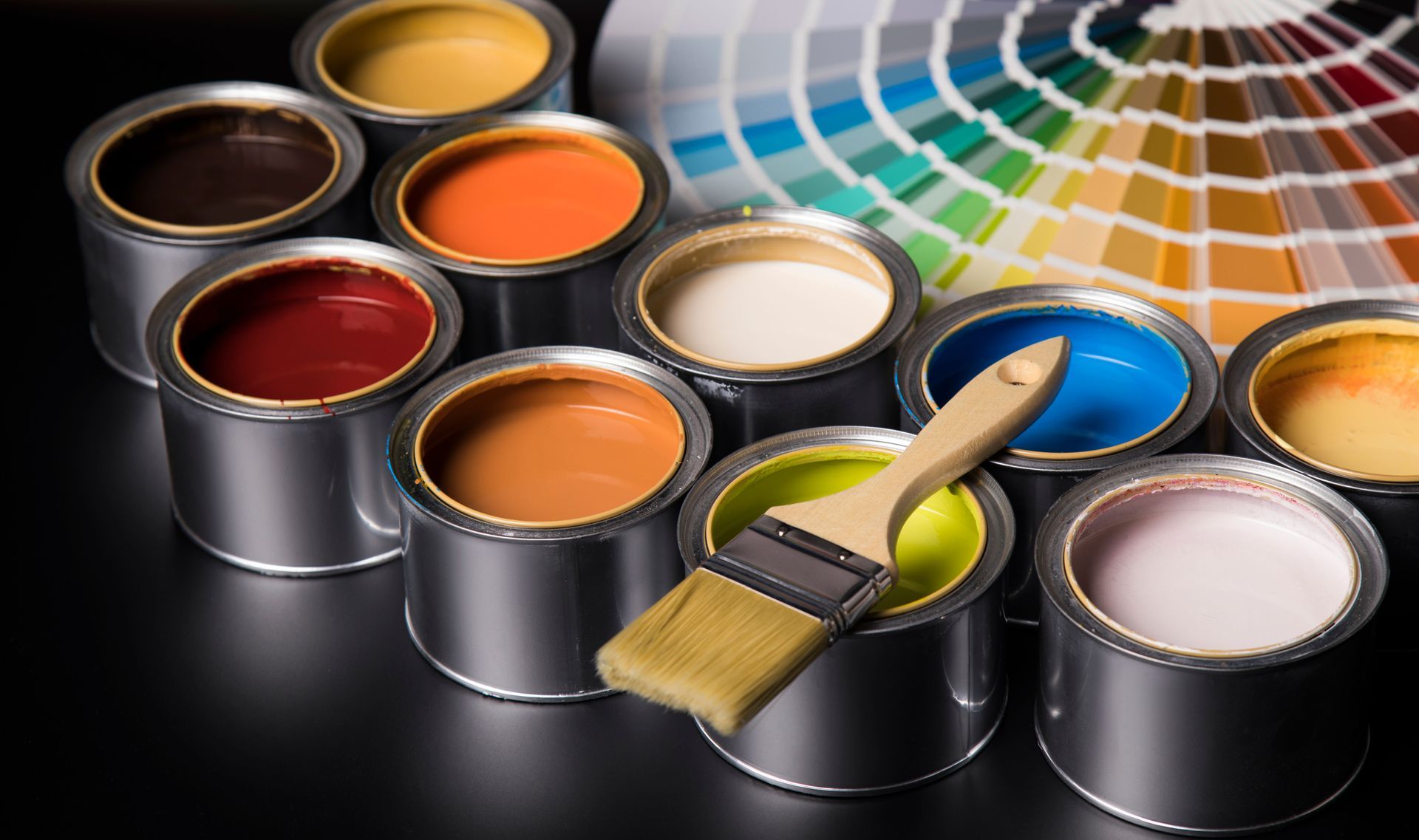
Color selection can define the entire vibe of a room, affecting mood and coherence with existing decor. Neutral shades act as a versatile backdrop that can complement any style, whereas bold colors can inject personality and dynamism. The color wheel is a useful tool for identifying harmonious color schemes, such as complementary or analogous palettes. When choosing colors, consider the natural and artificial lighting of a space, as these can alter the perception of color. Sampling paint swatches on walls can offer insights into how different colors will appear throughout various times of the day.
1.4 Eco-Friendly Paint Options
With environmental sustainability becoming increasingly important, many homeowners are turning to eco-friendly paint options. Low-VOC and zero-VOC paints help to reduce indoor air pollution and are less likely to cause respiratory issues and other health problems. These environmentally friendly paints have advanced to perform at par with traditional paints, offering a range of finishes and durability. Opting for eco-friendly paints serves the dual purpose of beautifying your home while safeguarding your health and the environment. Making conscious choices at this stage can contribute positively to a sustainable renovation process.
1.5 Calculating Paint Needs
Accurate calculation of paint needs is essential to avoid wastage and unnecessary expenses. Start by measuring the dimensions of the walls, considering windows and doors which often reduce the required amount of paint. Calculating the square footage helps determine how much paint is necessary for the project—keeping in mind the specific coverage rate provided by paint manufacturers. According to HomeGuide, an average bedroom typically needs about 2 to 3 gallons of paint, depending on the paint's coverage and original wall condition. This step ensures you have enough material to complete your project without unexpected delays or costs.
2. Preparing Your Space
2.1 Surface Cleaning and Repairs
Prior to painting, preparing surface areas is paramount for achieving a smooth finish. Cleaning the walls to remove dust, grease, and grime ensures that the paint adheres effectively. It's equally important to address any surface imperfections, such as cracks or holes, using spackle or similar materials. After repairs, a light sanding helps to even out the surface and ensure a clean canvas for painting. Skimping on this preparation can lead to uneven application and peeling in the future.
2.2 Removing or Protecting Furniture
Furniture can easily become inadvertently painted if not properly managed. Ideally, all furniture should be removed from the room before starting. If removal is not feasible, covering items with drop cloths or plastic sheeting can prevent accidental spills or splashes. This preparation step not only protects your belongings but also provides an unobstructed space to work efficiently. Recuperating from a painting accident involving furniture can be costly, and precautionary measures save time in the long run.
2.3 Taping and Masking Techniques
Taping essential areas with painter’s tape is a vital step in protecting surfaces from paint overreach. These areas include trim, ceilings, and any fixtures or surfaces that shouldn't be painted. Proper application of tape ensures clean, precise lines, adding a professional finish to the painting project. After applying paint, removing the tape promptly but gently can prevent peeling, ensuring neat edges. Investing time in proper taping pays off substantially in the painting process's final aesthetics.
2.4 Priming Necessities
Applying a primer is often a necessary step to achieve a high-quality finish and long-lasting results. Primer prepares the wall’s surface, sealing any repairs and creating a uniform base for the topcoat. In scenarios where painting over a darker color or on new drywall, priming becomes critical to prevent color bleed-through. A quality primer can enhance the durability of the paint while ensuring the true color comes through with less effort. Skipping this step might initially save time but could result in more coats of paint or a less durable finish.
2.5 Ensuring Proper Ventilation
Maintaining good ventilation is important both for the painter's health and for optimal paint drying conditions. Open windows or use fans to allow a constant air exchange, which helps to dissipate paint fumes. This practice ensures a safer work environment and can actually expedite drying times, making the project more efficient. Lack of ventilation can result in lingering fumes, which may cause discomfort or health issues for household members. Effective airing practices should not be overlooked for a safe and successful painting experience.
3. Tools and Equipment
3.1 Essential Painting Tools
Equipping yourself with the right tools is the backbone of any successful painting project. Standard essentials include high-quality paint brushes, rollers, and trays. Drop cloths are a must for protecting floors and non-moving furniture from spills. Additionally, a sturdy ladder is necessary for reaching high walls and ceilings safely. Investing in premium tools can provide smoother application, save time, and often yield superior results.
3.2 Understanding Paint Sprayers
Paint sprayers are another option for painting, especially suitable for large-scale or detailed projects. They offer a fast application process and an even coat, but they require more setup and cleanup time. Understanding the mechanics of different types of sprayers, such as airless or HVLP, will help select the appropriate one for the given task. They are particularly useful for covering large and flat areas quickly but need to be handled carefully to avoid overspray. For those unfamiliar with sprayers, practice is essential to master their use and achieve a professional finish.
Embarking on an interior painting project can be a rewarding endeavor that revitalizes your living space. By adhering to these key steps and considerations, you can enhance the efficiency, safety, and overall quality of your painting experience. With the right preparation, tools, techniques, and safety measures, your home can undergo a stunning transformation that enhances its aesthetic value and comforts its inhabitants. Be sure to reach out to RJ Painting and Home Renovations today for more information on our professional interior painting contractors!